Latvia has developed into one of the fastest-growing economies in the Baltic region, offering a stable business environment, modern infrastructure, and strong connections to European and global markets. As a member of the European Union, the Eurozone, and the Schengen Area, Latvia benefits from international trade opportunities and a strategic location that supports economic growth and innovation.
For Indian students, understanding Latvia’s economy provides valuable insight into the country’s employment opportunities, growing industries, and future career prospects after graduation.
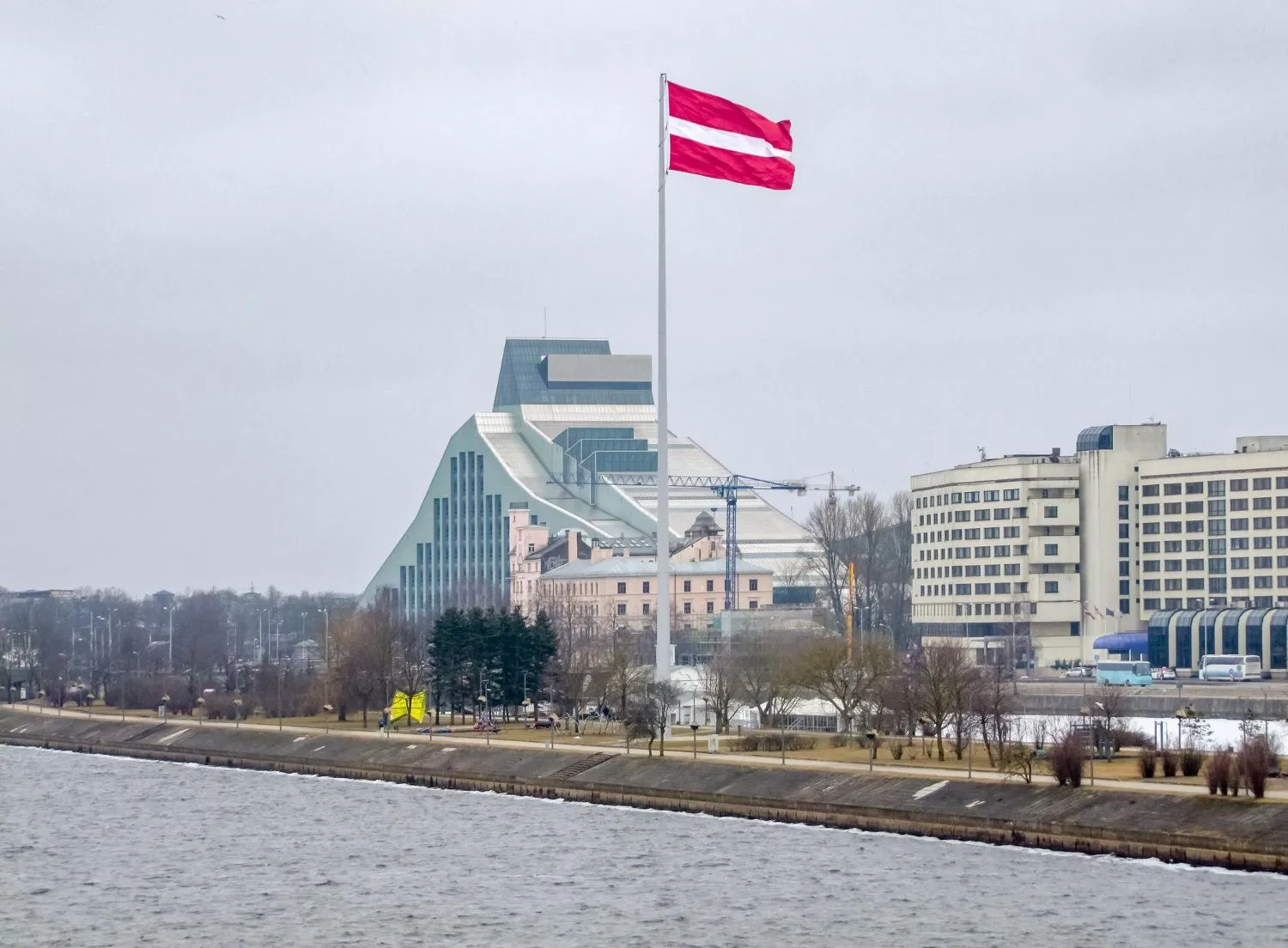
Latvia has an innovative, modern market economy, with a high level of technology, manufacturing, services, and international trade. The country has invested heavily in education, digital transformation, and infrastructure over the years, which has helped to create a competitive and business-friendly environment.
Its strategic position between Northern and Eastern Europe makes Latvia an important gateway for trade, logistics, and international business activities.
The technology sector has become one of the strongest contributors to Latvia’s economic growth. The country has gained recognition for its expanding IT industry, startup ecosystem, software development companies, and digital services.
Students pursuing degrees in computer science, information technology, artificial intelligence, and data analytics can benefit from growing opportunities within this sector.
Latvia has established itself as an important center for finance, banking, and international business services in the Baltic region. The country continues to attract foreign investment and international companies looking to expand within Europe.
Manufacturing plays a significant role in Latvia’s economy, particularly in engineering, electronics, machinery production, wood processing, and industrial technologies. These sectors provide employment opportunities for skilled graduates and technical professionals.
Due to its strategic location and well-connected transport network, Latvia serves as an important logistics hub connecting European and international markets. Ports, railways, and transport services contribute significantly to economic activity.
Healthcare and medical research continue to expand, creating opportunities for professionals in medicine, health sciences, biotechnology, and related fields.
Latvia's growing economy supports various industries that welcome skilled graduates with Indian qualifications. Students studying in Latvia can gain practical experience through internships, industry projects, and part-time employment opportunities during their academic journey.
Popular employment sectors include:
As part of the European Union, Latvia offers access to one of the world's largest economic regions. Students benefit from internationally recognized qualifications and exposure to European business practices.
Many industries continue to seek qualified graduates with modern technical knowledge, international perspectives, and specialized skills.
Latvia encourages innovation, research, and entrepreneurship through startup support programs and business development initiatives. This creates opportunities for students interested in launching their own ventures or working in innovative industries.
The country's expanding economy allows graduates to explore career opportunities across multiple sectors while gaining valuable international work experience
Latvia is investing in sustainable development, digital technologies, the latest manufacturing, innovation-driven industries, and education. These developments are expected to boost economic growth and create opportunities for future graduates.
For students looking for higher education in Europe, Latvia offers more than just quality academia. Its strong economy, international business environment, and expanding industries provide a firm foundation for career success and professional development.
By choosing Latvia, you will gain access to a vibrant European economy, and at the same time you will acquire the skills and experience to be competitive in a globalized world.